
Each September is Pain Awareness Month, and so i’m going to try to share with you what my pain looks like when you can’t actually see it.
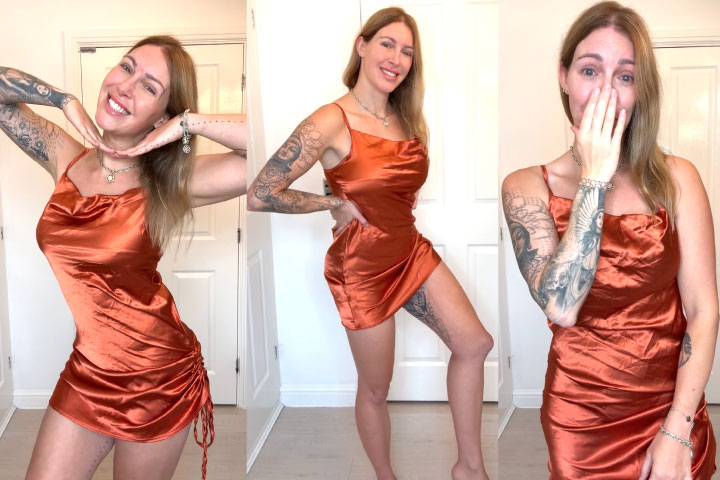
Right now, it’s rather great timing for this topic, because my knee is quite literally screaming at me and it looks like I have an egg growing out of my leg. I have what has been described as burst knee fluid, which is commonly known as housemaid’s or carpenter’s knee. But rather than scrubbing floors or laying paving slabs for 9hrs a day, everyday, mine happened from something as unremarkable as standing up.
Standing up! Not running a marathon, accidentally falling down the stairs, lifting something ridiculously heavy or having one too many glasses of wine in a pair of high heels.
Just standing.
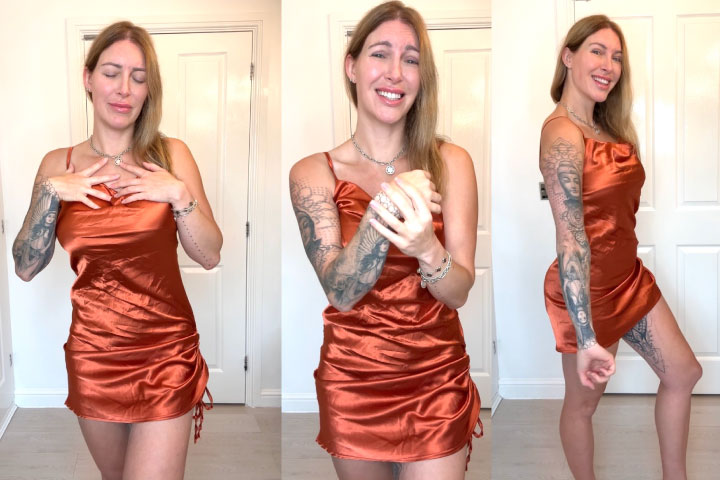
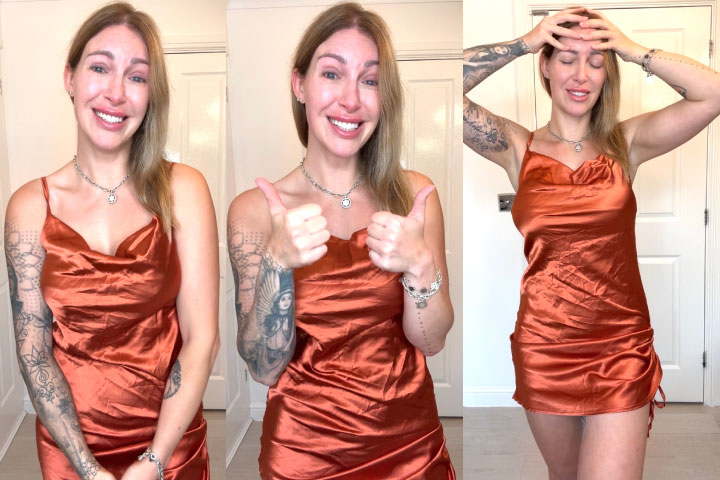
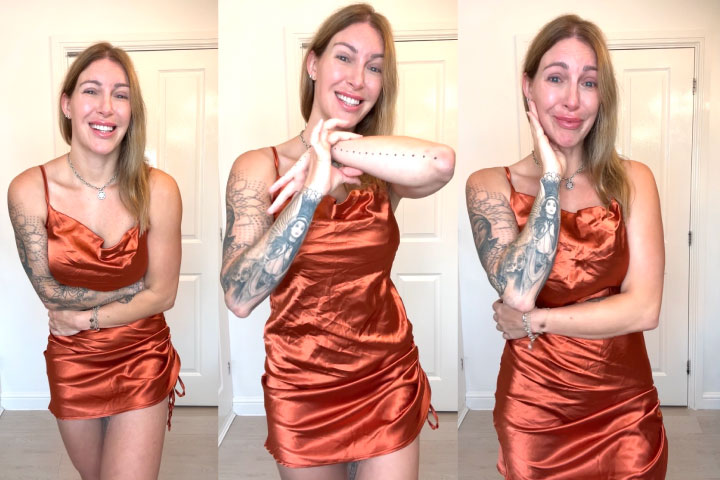
And yet, if you looked at me, you probably wouldn’t even know the fight that I have for my life everyday. That is the strange thing about living with invisible disabilities. I can look completely fine to everybody else, while my body is anything but.
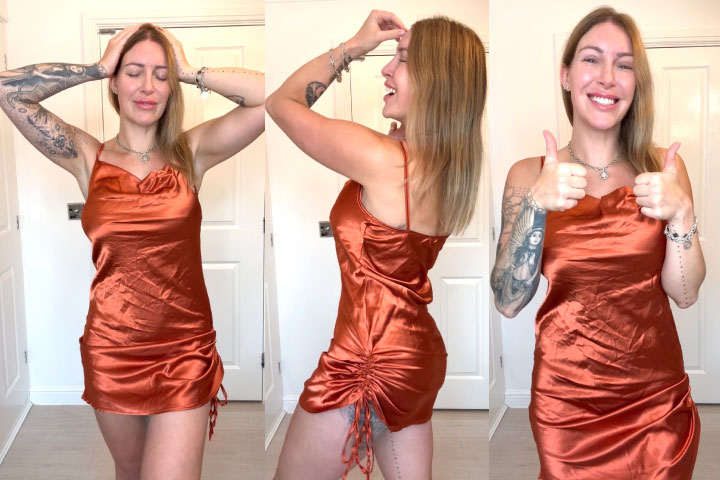
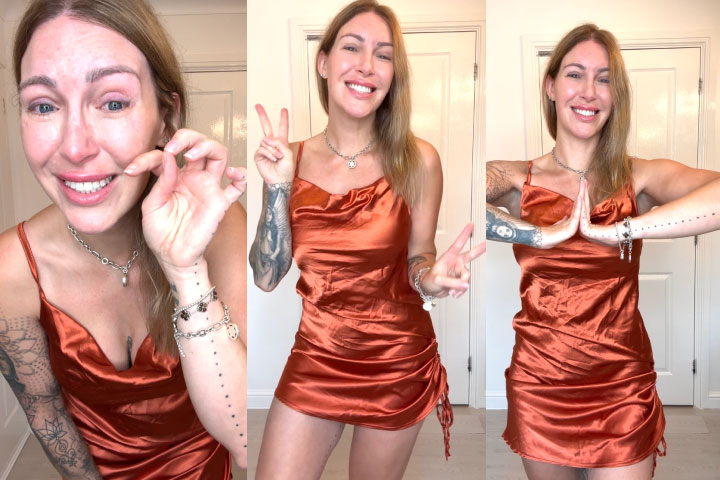
I can smile, work, parent and go to the gym. I can create content for brands, smiling and being energetic and enthusiastic. I can meet people at social events, laugh and be engaging. I can even put on a nice outfit, brush my hair, put on some lipstick on and walk out of the front door looking like an A-lister… or maybe Z. And people see me.
They don’t necessarily see the pain, because I have become exceptionally good at hiding it my entire life. I think one of the greatest misconceptions about chronic pain is that you must look like you’re in pain in order for it to be real. Perhaps we imagine somebody crying, limping, lying in bed all day or unable to move.
But chronic pain doesn’t always look like that. Sometimes chronic pain looks like a woman getting her children ready for school as she takes pain killers to push through. Sometimes it looks like somebody answering emails at 2am because they can’t sleep through cramps and the pressure of swelling.
Sometimes it looks like somebody smiling through a whole conversation, while mentally calculating how long they can remain standing before their joints start screaming and they risk fainting, or they have to run to the toilet for bladder relief that’s given them goosebumps.
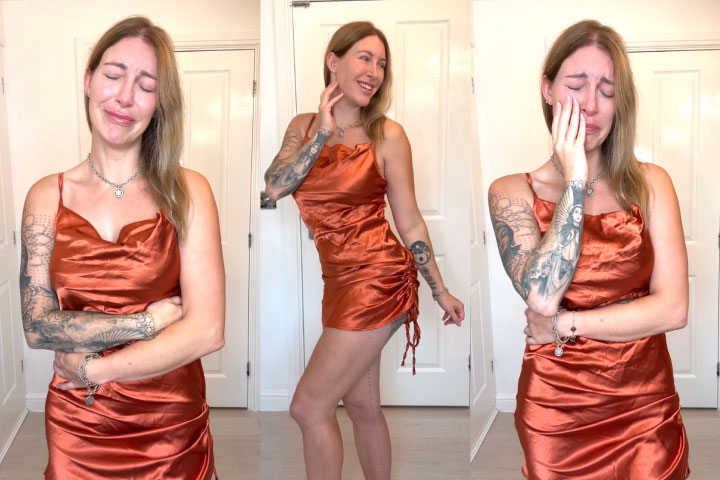
Sometimes it looks like somebody saying, “I’m fine”, because actually explaining that you’re not fine for the thousandth time in a day is exhausting and instantly makes others feel uncomfortable. And sometimes it looks like somebody who has become so incredibly practised at masking their pain that everyone around them assumes there isn’t any at all! Hi, that’s me.
I have indeed perfected hiding my chronic pain because I don’t want other people to feel uncomfortable. I see myself as a survivor in life, rather than a victim to the unfortunate hand that I’ve been dealt. I don’t want people looking at me with pity or every conversation to become about my health.
I don’t want people that I love to worry about me. And, perhaps most importantly, I don’t want my children to grow up believing that their mum is fragile, weak or can’t protect or save them. As a single parent I am their everything, their provider, protector, teacher and biggest cheerleader and supporter. I show them the sky is the limit and encourage them to pursue their wildest dreams, not hide away from the world and stay in bed for fear of shattering into tiny pieces.
So I keep calm and carry on. But carrying on doesn’t mean that it doesn’t hurt. My body is constantly fighting battles that you cannot see, and it will do for as long as I am blessed to be alive. This is my existence and I didn’t ask for, nor earn this status, I was simply born with a loose connective tissue disorder which my children have inherited.
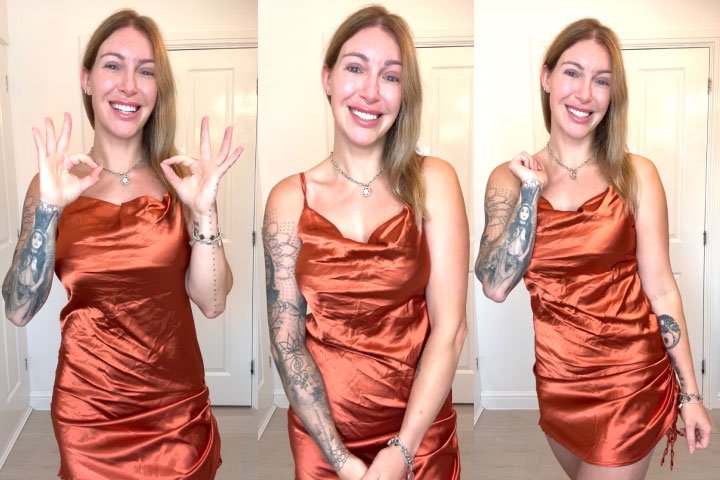
I live with autism, ADHD and hypermobile Ehlers-Danlos syndrome, which are surprisingly closely related with many adults still living undiagnosed. My hEDS diagnosis finally gave a name to something that had followed me around for much of my life that presently mostly in my teens as I constantly fainted and my joints cracked and clicked, and became more prevalent in my twenties after having my two children for which my digestive system all but shut down and I collapsed daily, almost like clockwork.
The dislocations and immense chronic inflammation by my thirties left me seeking understanding and multiple private surgeries across my lifetime, from two laser eye surgeries to correct my blurred double vision, two breathing surgeries to remove my adenoids and straighten my deviated septum, and a stress incontinence TOT band fitted to reduce the agony of my bladder and allow me to leave the house without jumping between toilets every 10mins and sitting awake all night tip toeing to the bathroom to not wake the children.
But when my knuckles dislocate and fracture because I’ve opened a banana for breakfast, my arms and legs feel like they’re going to pop off from their sockets like a Barbie doll, I went into premature labour multiple times with both of my premature children because my pelvis couldn’t retain them, and now the fluid in my knee has burst from just standing up… it’s rather inconvenient to say the least.
I haven’t been able to walk properly or drive for a month now, which is a bit of a life line for me living out in the countryside. And thankfully relatives have popped over to bring me food and help me to get the children to various appointments and events that have been booked months in advance when I presumed I’d just be in pain, not bed ridden from standing.
I’ve always been incredibly flexible and experience joints that move far beyond the range of motion that they should, with dislocations, pain, fatigue, digestive problems, dizziness and a whole host of symptoms that I once assumed were simply me being me. It was a very bizarre moment when I eventually discovered, at the age of 36yrs, that most people don’t feel like they’ve been set on fire and have jelly for limbs, rocks in their chest and razor blades for guts. Really!?
It’s a bit like watching a sci-fi movie at the cinema of a dystopian future where humanity flees to another planet and suddenly the gravity is super strong and everybody moves slowly, the air is made of acid so they can’t breath without wearing a mask, and the sun is so powerful they burn up within minutes of stepping outside. You feel so immersed in the 90-120mins of watching a movie, love the characters and actors and connect with their wild and bizarre reality.
For that short period of time it is entirely real to comprehend their contrasting existence, but then when the film finishes, the lights come on and you step back outside into the real world and life is the exact opposite. Gravity has been restored and you can move around freely, you don’t struggle to breathe properly, and you can stay outside all day long rather than fleeing home for shelter or burning up in the sun.
But it was that penny-drop moment for me, when I realised in my late thirties that my very own existence is absolutely alien to everyone around me. They don’t live with the challenges that I face and the constant pain that I’m in, my entire way of life is quite literally the opposite of theirs. What is agony for me is effortless for everyone else. The whole world doesn’t live like me, I am the annomoly.
I wrote a diary about my journey to understanding hEDS and how, after years of unexplained symptoms that left doctors stumped and telling me that I was normal, finally having an explanation made so many pieces of my life fit together. But having a diagnosis doesn’t magically make the symptoms disappear, nor are they any easier to deal with, as with age they are increasingly worsening.
My everyday reality includes IBS and digestive pain, insomnia, exhaustion and fatigue, aches, pains, anxiety and a social battery that can last anything from seconds to a handful of hours at most. I feel as though I’m permanently experiencing the physical and hormonal misery of having my period, you know that heavy, aching, uncomfortable feeling that seems to have no beginning or end?
And then there are my joints. Some days it genuinely feels as though every joint in my body is burning from the inside out, like somebody has doused me in petrol and lit a match. If you’ve ever had a wasp or mosquito fly close to your ear and suddenly it sounds as loud as your headphones, but it’s a tiny bug that you can hardly see, that’s how the joints in my body hum and buzz.
My body feels inflamed, exhausted and angry 24/7 which leads me to constantly clench my muscles, grit my teeth and have a heavy head that’s been filled with sand. Imagine having to go to a noisy nightclub with a severe headache or riding on a rollercoaster when you’re terribly nauseous and trying not to vomit. Everyday of my life is like fighting an emergency that never ends. Yet still I push on, smile and try to hide my suffering from others, very successfully it seems.
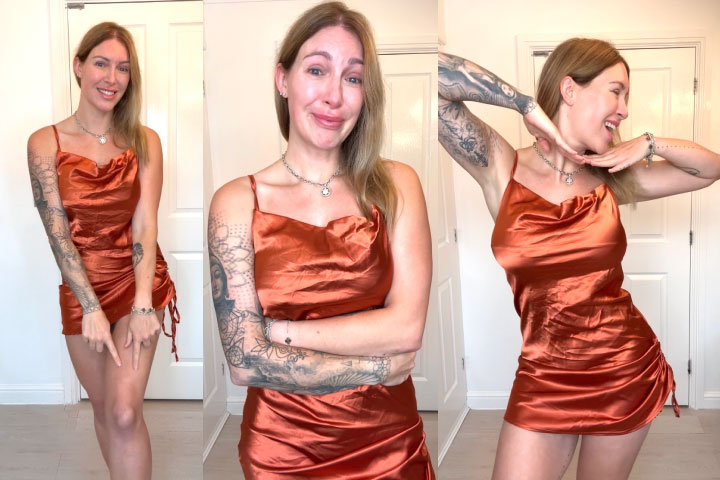
And this constant fight for my life means that I can still be incredibly productive and high-achieving, and this is where I think people can become so confused about hidden disabilities. How can somebody be so unwell and still achieve so much? How can I raise a family alone, become a professional bodybuilder and look relaxed and at ease on photoshoots modelling, despite my body fighting to survive?
Because human beings are complicated… and the more pain that I’ve endured, the more pain I can take. It doesn’t make it any easier to experience pain, because pain is still pain, but I’m able to live with it. Which probably shows in the fact that my pain threshold is so high now that I don’t even blink when I have a tattoo, and I gave birth twice without pain relief. I drive myself to the hospital when I’m injured, rather than calling for an ambulance or asking for help. And I walk out of surgery like nothing has happened; bloodied, bruised and covered in stitches, but you’d think I’d just been for a weekend away to a health spa because I look so happy and at ease.
Disability doesn’t erase my ambition, intelligence or capability. Just as my ADHD doesn’t erase my innate creativity. And chronic illness doesn’t mean that I’ve stopped wanting to live a big, meaningful and successful life, because I’m wholeheartedly thankful to be alive and I treat every day as the blessing that it is.
I have been a single mum of two for almost half of my life now. I have built a career, businesses and world around my children and family. I’ve achieved things I once never imagined possible, worked, travelled, trained, written, created, spoken publicly and advocated for others who suffer in silence.
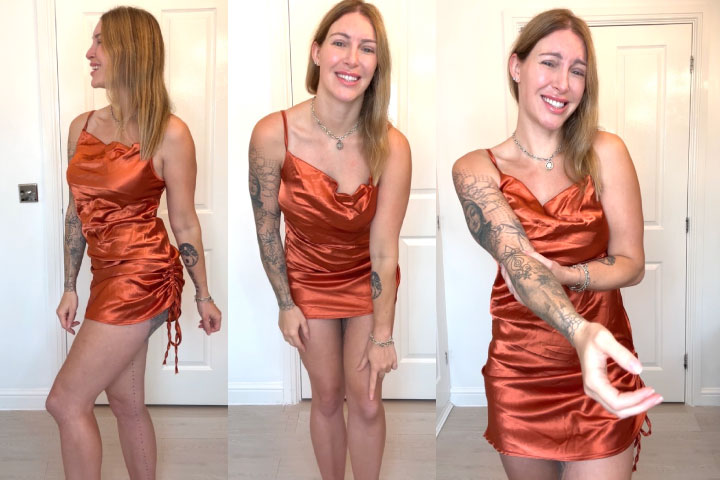
But none of those achievements are evidence that I don’t experience pain. If anything, sometimes they are evidence of how hard I have had to work despite it. My sheer refusal to lay down and die.
Sadly, chronic pain is far more common than people realise. And as September is Pain Awareness Month, an annual campaign dedicated to increasing understanding of pain, pain management and the lived experience of people with pain, I wanted to share some statistics with you, if you don’t mind.
Because frankly, the statistics are staggering! Around 15.5 million people in England alone, which is approximately 34% of the population, currently live with chronic pain. Around 5.5 million people experience high-impact chronic pain, meaning their pain significantly interferes with everyday activities such as work, family life, self-care and community participation. This is not a small number of people.
That is millions of beautiful, gentle and innocent human beings waking up every day and negotiating with their own bodies to survive. Myself and children included. Chronic pain is generally defined as pain that persists or recurs for more than three months. NICE recognises both chronic primary pain and chronic secondary pain, and importantly, these can exist alongside one another.
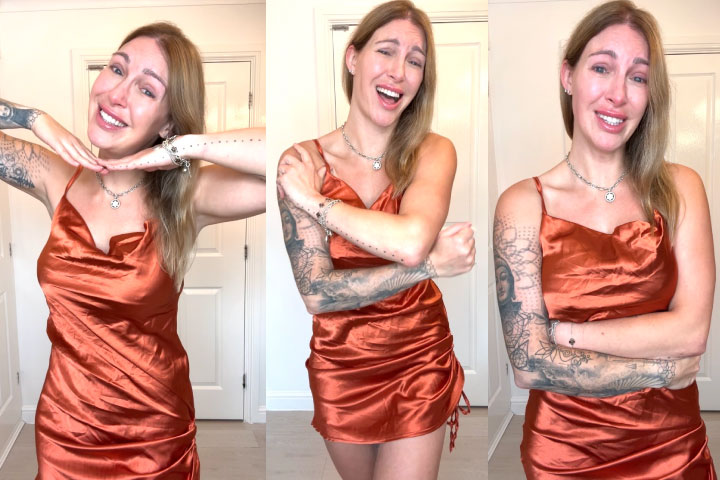
So when somebody says: “But you look fine.” I wish we could understand that looking fine and feeling fine are two completely different things. The pain is not always the biggest problem that I face, being disbelieved is.
Living with pain is one thing, but living with people questioning it is another. There is a particular cruelty in being able to see your own body struggling while other people cannot, because you know what your normal feels like, when my joints are worse, my exhaustion is different, my digestive system is playing havoc and I’ve had 2hrs sleep in just as many days. I know how much energy it has taken just for me to get dressed when I’m at my very worst.
But from the outside? I simply look like a healthy woman going about her day. And because I’ve spent years becoming incredibly good at masking my reality, I have almost become a victim of my own coping mechanisms. Because if I push through something, people automatically assume that it wasn’t difficult for me.
If I smile, people assume I must be comfortable. When I exercise, people assume I’m capable, strong and pain-free. If I work, people assume I’m healthy. If I have one good day, people assume I’ve recovered or am cured. And if they see me looking completely normal, they never realise that I am actually fighting an enormous internal battle. I didn’t realise that my response to pain and suffering was to laugh and smile, until I was in an abusive relationship when I was chastised for looking happy whilst being attacked. I wasn’t welcoming, goading or accepting of the abuse, my body just automatically reverted to masking my severe distress, and the same happens when my body is failing. I smile and say that I’m ok, when I’m most definitely not.
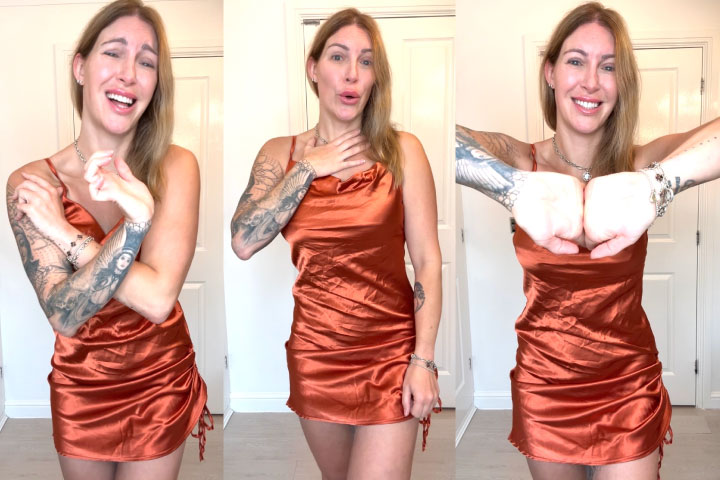
For me, pain management isn’t simply about taking a tablet. There isn’t one magic answer to chronic pain. NICE recommends that people living with chronic pain receive a person-centred assessment looking at how pain affects their lives and agreeing an individual care and support plan. Management can involve physical activity and exercise programmes adapted to the person’s abilities, psychological approaches such as CBT or acceptance and commitment therapy where appropriate, and medication discussions based on the type of pain and individual circumstances.
I am personally anti-medication, and instead studied and have diplomas in nutrition, personal training, MBSR stress management, CBT, neurolinguistic programming, meditation, yoga instructing, EFT and mindfulness. As I have so many skin and digestive sensitivities, the side effects from taking pain killers outweigh the temporary reduction in pain for me, so I power though instead with mind over matter and no medical pain relief.
For people with conditions such as hEDS, management can also involve physiotherapy, strengthening, pacing, adapting activities and learning how to work with the body rather than constantly fighting against it. I train for proprioception, stability and mobility now rather than strength or to build muscle mass.
For me, learning to pace myself has been particularly important between my twenties to thirties, because there is a strange cycle that many people with chronic illness understand:
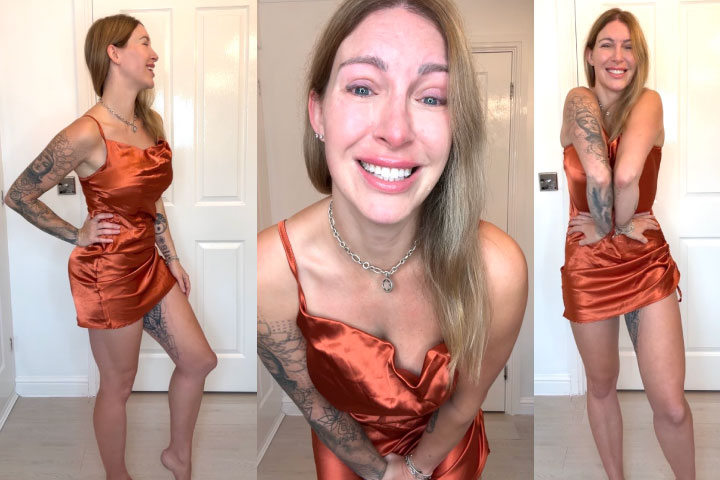
I feel good → I do everything → I feel awful → I rest → I feel slightly better → I do everything again.
It can be incredibly difficult to find the middle ground as this vicious cycle continues between good days and bad. We want to live, and experience life, but we have to do everything in moderation and make the most of our good moments without overdoing it. Like telling a child at Christmas to wait until everyone wakes up before they can have their presents. How long must I be bed ridden before I’m finally able to go on a walk on a sunny day? How long can I stand up for in public before I risk fainting? It’s a constant guessing game that often results in collapse.
Sometimes my body wants me to stop long before my brain is willing to. And having ADHD and autism adds another layer to the experience, because knowing you need to rest and actually being able to switch off are two very different things. My children make this even more important because I want them to experience life and not feel limited or different.
Perhaps the most heartbreaking part of all of this is knowing that my children have inherited some of my genetics and experience their own challenges with things like sleep, digestion and mobility. When you watch your child struggle with something that you know intimately yourself, it changes the way that you see it.
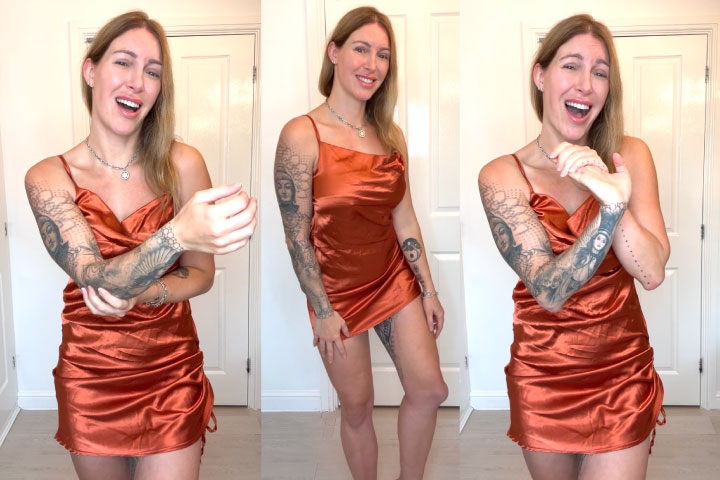
I don’t want them to spend decades being told they’re tired simply because they’re lazy. Or that their stomach hurts because they’re just anxious. Or that they are being dramatic, and they simply need to try harder.
I want them to understand their bodies, to be believed when they express their struggles and have appropriate support. I want them to grow up knowing that asking for help isn’t weakness, despite the fact that I struggle to ask myself because of how bluntly I’m rejected.
That is why awareness matters to me. Not because I want people to feel sorry for me, quite the opposite. I want people to understand without judgement. We need to stop stereotyping health by appearance, because one of the most damaging assumptions that we can make is that disability has a particular appearance.
A wheelchair, walking stick, visible injury, hospital bed or physical difference. Disability doesn’t always announce itself. Somebody can walk into a room and smile and still be disabled. Just as somebody can run a business and be disabled. Somebody can have children and be disabled. Somebody can go to the gym and be disabled.
Somebody can laugh, dance, travel, work, socialise and look completely normal to everyone on earth and still live with disabling pain every single day, because not all disabilities are visible. And even visible disability isn’t necessarily a measure of how much somebody is suffering.
We really do need to stop judging a book by its cover. The law recognises disability differently from the way that society often does In the UK, disability isn’t defined simply by whether somebody looks disabled. The Equality Act 2010 protects disabled people from discrimination, and employers have a duty to make reasonable adjustments where appropriate so disabled workers aren’t substantially disadvantaged. Those adjustments can include changes to working patterns, equipment, working environments and other practical support.
There is also further change on the horizon, as the Government has committed to introducing legislation requiring large employers to report ethnicity and disability pay-gap information, alongside workforce composition and action plans. The proposed Equality (Race and Disability) Bill was announced in the 2024 King’s Speech, and the Government published draft clauses in March 2026. As of July 2026, the Government said it intended to bring the legislation forward when parliamentary time allows.
This matters because disability isn’t simply a healthcare issue, it affects education, employment, income, housing, family life, mental health, independence and opportunity.
The Government’s 10 Year Health Plan for England is also built around shifting healthcare from hospital to community, analogue to digital and sickness to prevention — changes that could have important implications for how people with long-term conditions access care in the years ahead.
But policies only make a difference if people’s lived experiences are actually heard. So please don’t wait until someone breaks before you believe them. This is perhaps the biggest message I want to leave this Pain Awareness Month.
Believe people.
If somebody tells you that they’re in pain, don’t automatically look for evidence on their face. If someone cancels plans, don’t assume that they’re unreliable. If someone is having a good day, don’t assume that they’re cured.
If somebody exercises, don’t assume they’re pain-free. If someone is successful, don’t assume they’re healthy. If someone is smiling, don’t assume they’re okay. And if someone looks completely normal, remember that you are seeing the tiny fraction of their experience that they have chosen, or managed, to show you.
I have spent years learning how to hide my pain because I don’t want people to feel sorry for me. But I am just now learning that hiding pain doesn’t make it disappear, and being strong doesn’t mean pretending that something doesn’t hurt me.
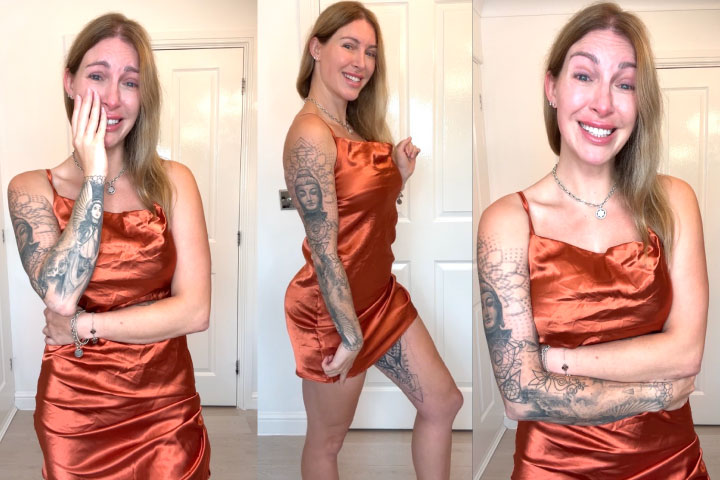
Sometimes strength is admitting that it does, and if you’re living with invisible pain, I see you
If you are reading this while lying in bed because your body won’t cooperate, I see you.
If you’re getting your children ready while every joint hurts, I see you.
If you’ve gone to work after barely sleeping, I see you.
If you’ve smiled at somebody while desperately wanting to cry, I see you.
If you’ve been told that you “don’t look disabled”, I see you.
If you’ve had one wonderful day and then spent the next two recovering from it, I see you.
And if you’re worried that people won’t believe you because you look too healthy, too young, too successful, too cute or too capable to possibly be struggling, please remember your pain does not need to be visible to be valid. Your disability does not need to be obvious to deserve support.
Your exhaustion does not need to be witnessed to be real. And you do not have to destroy yourself proving that you are struggling before somebody is allowed to help you.
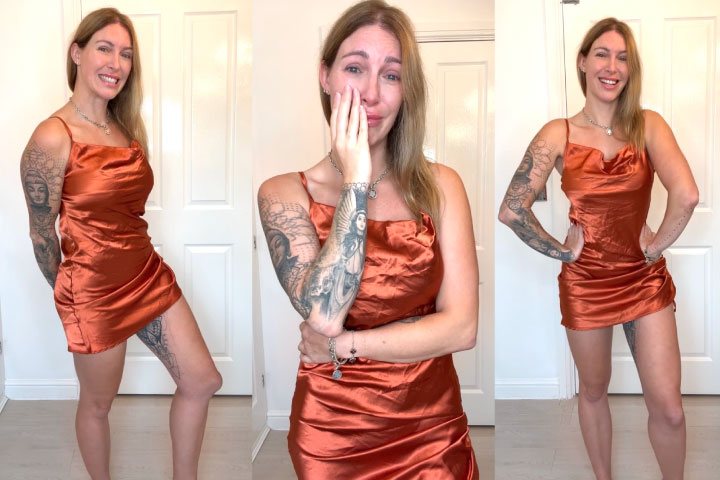
My body hurts, my brain may works differently and gets overloaded, my joints protest against gravity, my digestion causes me misery, sleep evades me, my energy runs out without warning, but I am still here and I am still thankful. I will continue to keep showing up and living my life to the best of my abilities. Still parenting, creating, achieving, advocating, loving and living everyday as if it is my last.
I am incredibly strong and I am still in pain. Both of these things can be, and are, true.
So this September, during Pain Awareness Month, let’s stop asking what disability looks like and start asking what support looks like. Because you really cannot know what somebody is carrying simply by looking at them.
Not all disabilities are visible, and sometimes the people who look the strongest in life are the ones fighting the hardest battles that nobody else can see.
