
If you are a brand, agency, or organisation interested in paid collaborations, campaign partnerships, or content licensing opportunities, you can view my collaboration details and contact information here on my work with me page.
There was a time in the world when work was rewarded with a salary. In media, photographers were paid for their images, journalists were paid for their words and models were paid for their fashion campaigns. Music artists were also paid for their creativity, with commissions on album sales. Actors, models, musicians, celebrities, influencers, content creators and digital entrepreneurs have built an entirely new industry worth billions, yet somehow, the people producing the very content that fuels it are increasingly expected to work for free. Worse still, many are expected to pay for the privilege to work for free as agencies and PR companies keep 100% of contracts and profits and there is no such thing as “expenses”.
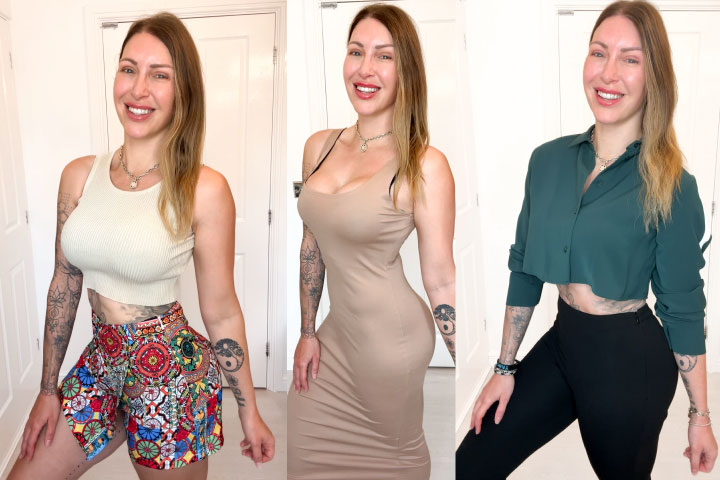
As a creator with twenty years of experience in the media, I have watched a disturbing shift take place. Brands now ask for professionally shot photography and videography, edited reels, stories, blog posts and social media coverage with all rights and commercial usage for free. Agencies recruit creators for campaigns that require hours of planning, costly travelling, filming, editing and promoting. Magazines that once paid contributors now offer “features” for a fee, turning editorial space into advertising to whoever is prepared to pay the most for a front cover.
Everyone involved profits, except the creator doing the actual work. I refuse to accept that this should be normal. In a society where we pay service charge to eat a meal we have already purchased, and also tip the waiting staff who receive a salary for their hours worked, why are we exploiting creators?
The Cost Of “Free”
People outside of the industry often hear the phrase “gifted collaboration” and imagine a creator receiving a luxury experience in exchange for a quick social media post or selfie, but the reality can be very different.
A creator may spend hours researching a brand, communicating with PR teams, travelling to a location, styling outfits, applying makeup, photographing products, filming content, editing footage, writing captions and engaging with their audience.
There are fuel costs, train tickets, childcare, accommodation, equipment, software subscriptions, insurance and time. There is also the hidden cost of experience and expertise, the years spent learning photography, videography, editing, marketing and audience growth.
And then comes the final insult…
The brand receives a library of professional marketing assets that can generate sales for months or years on end for them, while the creator walks away with little more than a free product, a thank you email or the slap in the face of having to pay to attend an event, or give 100% commission to the agent. Some creators don’t even receive a gifted product, they just hold it for a picture and have to put it back.
Would a teacher work for free? A nurse? A postal worker? A taxi driver? An Amazon employee? Even receiving a minimum wage brings the country to a halt with strikes and protests, and yet online avertising and brands marketing campaigns are exploitation and slavery in plain sight of everyone, yet nobody talks about it.
Paying To Be Seen
Perhaps even more concerning is the rise of the pay-to-play culture. Models and creators are asked to pay for magazine features. Pay for awards. Pay for networking opportunities. Pay for directory listings. Pay for subscriptions that promise access to campaigns. Pay to boost posts. Pay for verification. Pay for visibility.
At what point did talent, creating the very content that attracts views and sells publications, become secondary to a transaction?
Editorial space used to represent achievement. A publication recognised your work because it deserved recognition. Today, many publications operate more like advertising platforms where exposure is sold to the highest bidder. And the highest bidder? Well let’s just say they are not the most moral, nor worthy of such accolade as they would never have achieved such a position on their own merits and morals. Corruption in the industry is sickening.
Personally, I refuse to participate. If a magazine wants my expertise, my story or my photography, it should value that contribution rather than asking me to fund its publication for which its audience pays.
The same principle applies across the creator economy. I don’t believe people should have to buy credibility, if anything it simply provides me with a tell-tale list of precisely who to avoid in the industry as you know the steps that they have taken to appear there.
The Subscription Society That Fuels Modern Slavery
This problem sadly extends far beyond influencing. We are increasingly encouraged to pay monthly fees not for additional benefits, but simply to remove inconveniences. We pay to avoid adverts, pay to access features that were once included, pay to stop interruptions, pay to improve customer service that is a limited chat bot with no reasoning or human intervention.
We pay to avoid being disadvantaged or wait for anything that isn’t instant. We have destroyed society by paying for nothing in return. I choose not to support this model.
I don’t believe that consumers should be conditioned to spend money simply to receive less. Likewise, I don’t believe that creators and creatives should have to spend money simply to be able to work for free.
The Billion-Pound Industry Built on Free Labour
The creator economy is worth billions and brands understand that consumers trust authentic recommendations more than traditional advertising. Influencer marketing has become one of the most effective forms of promotion available for which I was honoured to be a part of this rise in growth and connectivity between brands and consumers as a creative.
Yet there remains an expectation that the people creating this value should somehow be grateful for the opportunity to work for fee. Free exposure doesn’t pay bills, it doesn’t feed a family and the average “gifted meal” doesn’t pay for as much as the petrol required to get there.
A free skincare product doesn’t cover the hours spent producing commercial-quality content that brands then use to make millions, as staff are paid salaries and CEO’s holiday on yacht’s.
The argument that willing creators are receiving valuable exposure for their volunteering often ignores a simple fact; exposure primarily benefits the business receiving free advertising.
The Portfolio Trap
I understand why people say yes to working for free, as everyone starts somewhere. Students need to gain vital experience, small creators want to grow and have the opportunity to show up on the radar of big brands, but when profit is made, this should be shared fairly with those who do all of the work and yet receive nothing.
If a doctor had to work for free their entire life, not as part of gaining a qualification, could anybody ever afford to be a doctor? Would you donate your life work, a 9-5 for 45yrs of your existence, entirely for free as others directly profit and thrive?
People are facing a cost of living crisis, yet are desperate to build additional income streams, and so many willingly volunteer their time in order to build a portfolio. There is absolutely nothing wrong with that. The problem arises when billion-pound industries become dependent upon an endless supply of hopeful people willing to work entirely for free. Why would they ever pay a creator ever again? They’ve won the lottery for free content for life!
An occasional voluntary collaboration is one thing, but an entire business model that relies upon unpaid labour is immoral. If businesses can afford marketing budgets, and staff are on the payroll, they can afford to compensate the actual people producing that marketing and driving the sales. 100% commission should not go to agencies and agents when 20-30% has always been deemed as fair. Forget minimum wage for all, this is exploitation and slavery.
Respect Every Profession
Creating content is a profession, it combines photography, videography, journalism, marketing, advertising, public speaking, graphic design, customer relations, business management, sales, accounting, community building and entrepreneurship to name but a few of the skills and qualifications required.
Many creators are effectively running their own media companies, their work has value, their time has value, their expertise has value and that value deserves recognition.
If you stopped paying your cleaner, would they still clean for free, let alone pay you for the privilege of cleaning your house indefinitely? If you stopped paying your dog walker would Fido still enjoy his daily trip to the park whilst you’re at the office? If you stopped paying your gardener would your lawn remain immaculate? If you stopped paying your taxes would your bins still get collected, or an ambulance or police car arrive at your door in an emergency?
When any profession is extorted it sets a precedent for other industries to take action and demand the same. And before long, nobody will be able to afford to pay for the right to work for free!
A Better Future
The creator economy doesn’t need to disappear, it simply needs fairer standards; clear contracts, honest expectations, transparency about budgets, respect for intellectual property, proper credit for who has done the work and fair compensation where commercial value is being created.
Creators should never feel pressured into accepting work that leaves them financially worse off than before they started the brief. Brands should understand that quality content is an investment, not an entitlement.
Agencies should build careers rather than merely extracting value from unpaid workers and labelling it as “paid partnership” when not so much as a penny goes to the creator who made all of the content. Publications should champion talent rather than monetise ambition for those who could never earn such a position themselves.
Most importantly, creators need to know that saying no is an option.
SAY NO to unpaid commercial work.
SAY NO to paying for editorial recognition.
SAY NO to funding someone else’s profits with your own time and resources.
Because creativity is work, talent is work, content creation is work, and work deserves respect and the minimum wage for the most basic human rights.
The creator economy has transformed the way that the world communicates. Perhaps it’s time it also transforms the way that it values the people making it possible. Be careful, this disease will come for all industries soon enough, and sitting by and doing nothing only fans the flames of devastation.
Repeat after me: Delete, block, unfollow.
