
We’ve all been there: a nagging headache after a slice of cheese, a persistent tummy ache after a bowl of pasta, or unexplained skin irritations that just won’t go away. While these symptoms might seem minor, they could be your body’s way of telling you that something isn’t quite right. Often, these discomforts are linked to food intolerances, and understanding them can be the key to unlocking improved health and wellbeing. That’s where intolerance testing comes in…

Due to my IBS and sensitive tummy, I’ve had varying forms of food intolerance testing over the years -from blood tests to electro-dermal testing- which have identified my personal food intolerances and sensitivities to reduce or remove from my diet. My son, who has autism and ADHD and strongly dislikes needles, has expressed similar symptoms surrounding his food intake. So I booked his first food intolerance testing via an at home hair sample which is posted for analysis in order to avoid the use of needles or face-to-face appointments.
What Is Intolerance Testing?
Food intolerance testing, unlike allergy testing, focuses on identifying any foods or substances that your body has difficulty digesting or processing. Food allergies involve an immune system reaction, causing immediate and potentially severe symptoms. Intolerances, on the other hand, are typically less severe and their symptoms can be delayed, making them harder to pinpoint. They often involve the digestive system and can manifest in a variety of different ways.
Intolerance tests work by measuring your body’s reaction to different substances. Several types of tests are available, including:
- Elimination Diets: This involves removing suspected trigger foods from your diet and gradually reintroducing them to observe any reactions. While effective, this method requires time, patience and careful tracking with a food diary.
- Blood Tests: These tests analyse your blood for reactions to specific foods or substances, often measuring levels of IgG antibodies. IgG antibodies are produced by the immune system in response to a food or substance, and elevated levels can suggest an intolerance.
- Hair Analysis: This testing method analyses a sample of hair to identify intolerances.

Why Should I Consider Intolerance Testing?
Understanding your food intolerances can be a game-changer for your health and wellbeing. Here’s why:
- Identify Hidden Triggers: Intolerances can cause a wide range of seemingly unrelated symptoms, making them difficult to identify without testing. From digestive issues such as bloating and IBS to skin problems like eczema and acne, intolerances can be the underlying cause of your discomfort.
- Improve Digestive Health: Chronic digestive issues can significantly impact your quality of life. Identifying and eliminating trigger foods can help to restore gut health, reduce bloating, and improve nutrient absorption.
- Boost Energy Levels: Food intolerances can contribute to fatigue and low energy levels. By removing these triggers, you can experience a significant boost in energy and vitality.
- Enhance Mental Wellbeing: Emerging research suggests a link between gut health and mental health. Addressing food intolerances can potentially improve mood, reduce anxiety, and even alleviate symptoms of depression.
- Manage Chronic Conditions: In some cases, food intolerances can exacerbate existing health conditions such as migraines, joint pain, and autoimmune diseases. Identifying and managing these intolerances can be a valuable part of managing these conditions.
- Personalised Nutrition: Intolerance testing empowers you to make informed dietary choices tailored to your individual needs. This allows you to optimise your diet for optimal health and wellbeing.
Is Intolerance Testing Right For Me?
If you experience persistent or recurring symptoms that you suspect may be related to your diet, intolerance testing might be worth considering. It’s always best to consult with your doctor or a registered dietitian before undergoing any testing, especially if you have any underlying health conditions. They can help you determine the most appropriate type of test and interpret the results accurately.
Intolerance testing can be a valuable tool for understanding your body’s unique responses to food. By identifying and addressing your intolerances, you can take control of your health and embark on a path towards improved wellbeing, increased energy, and a happier and healthier you. Please know that you don’t have to live with, or suffer from, unexplained symptoms which can be identified and addressed.
ASA Foundation: At-Home Hair Strand Intolerance Testing
After explaining food intolerance testing to my son, he felt far more at ease knowing that we could snip off an inch of his hair to pop into the post with an at-home strand testing kit from the ASA Foundation. In seeking his diagnosis for autism, ADHD and sleep disorder, he’s been back and forth between hospitals and assessments since pre-school, and is fearful of doctors, going to hospital and having blood tests or anything that may hurt him.
He often experiences tummy ache, loose stools and general discomfort in the bowels for which we’ve always focused on good hygiene and eating a balanced diet. His GP has cleared him of any known illness or disease, and as he’s able to better express his concerns over ongoing tummy symptoms as he approaches his 13th birthday, it led us to book his intolerance test and seek understanding for his symptoms that the NHS leave unanswered.
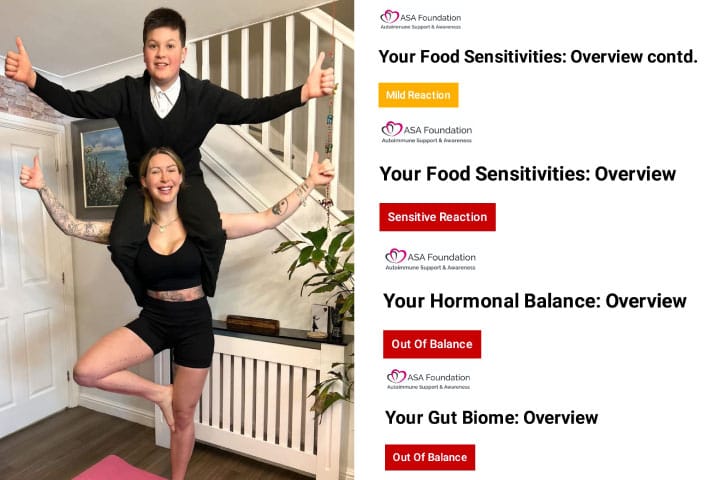
We received his results within a matter of days via email in a highly informative and personalised PDF, which is divided into sections by the type of items tested. Each section includes a helpful overview page, to make the results instantly clear and concise, highlighting the information that is of greatest importance, with more in-depth and extensive details that follow should you wish to deep-dive.
The results report has very clearly been designed to provide the utmost clarity and ease of understanding an individuals results, along with the recommended actions to take so that you’re not just left in the dark with medical jargon or guessing what to do next. Receiving my sons test results, all relevant information and an outline of actions to take for each section, my son can now begin his journey to make positive changes to his daily diet and environment, with a more informed focus on suitable nutrition to aid in a more comfortable, happy and healthy lifestyle.
The testing reports cover all results, analysis and explanations of:
-Food Sensitivities
-Non-Food Sensitivities
-Hormonal Balance Sensitivities
-Gut Biome
-Digestive Health & Metabolism
-Metal Sensitivities
-Minerals & Nutrients
-Vitamins
-Additives
This information is then followed by instructions of what to do next, simple advice, a 23 day plan, E-numbers explained, metal potential sources and contact details should you have any further questions. The report has been so incredibly informative, containing a wealth of information regarding everyday foods, gut nourishment and the roles of food types. It’s every parents dream, as there’s nothing worse than seeing a poorly child in discomfort and not knowing what is wrong or why. Finally, we have the answers!
Identifying my sons food sensitivities means that his symptoms that are uncomfortable, annoying, embarrassing and even debilitating, and can also change over time, now have a chance of being overcome through implementing a food elimination diet and improving his gut health; unlike food allergies which tends to be lifelong. Completing a food elimination diet now, with subsequent reintroduction, involves removing a particular food from the list for a period of weeks before reintroducing it to his diet. Eliminating food items for a period of time allows the gut time to rest from trigger foods before reintroduction so that you can more accurately assess how a food, or food group, makes you feel.
Now that we have the tools for change at our fingertips with his results, we know what to do and how to do it, it feels as though a weight has been lifted from my shoulders as a parent. I can finally help my son to feel better! The helplessness and worry for his unexplained symptoms has instantly been replaced with clarity and a clear plan to follow, and he’s feeling far more confident and in control of taking care of his “tummy” to remove the anxiety surrounding illness and regain control.
Surprisingly, some of his triggers are cucumber, orange juice, raisins which we never would have suspected in a million years; we have swapped them so easily for other fruits and vegetables which has made a massive difference to his daily diet and wellbeing. I only wish we’d tested years ago so that he didn’t have to suffer in silence for so long. You can’t put a price on
You can book an intolerance test in clinic, or online, at Jeunvie Wellbeing.
www.asafoundation.org.uk
Instagram: @autoimmuneawarenessfoundation
Tik Tok: @autoimmuneawareness
#follow #support #share
